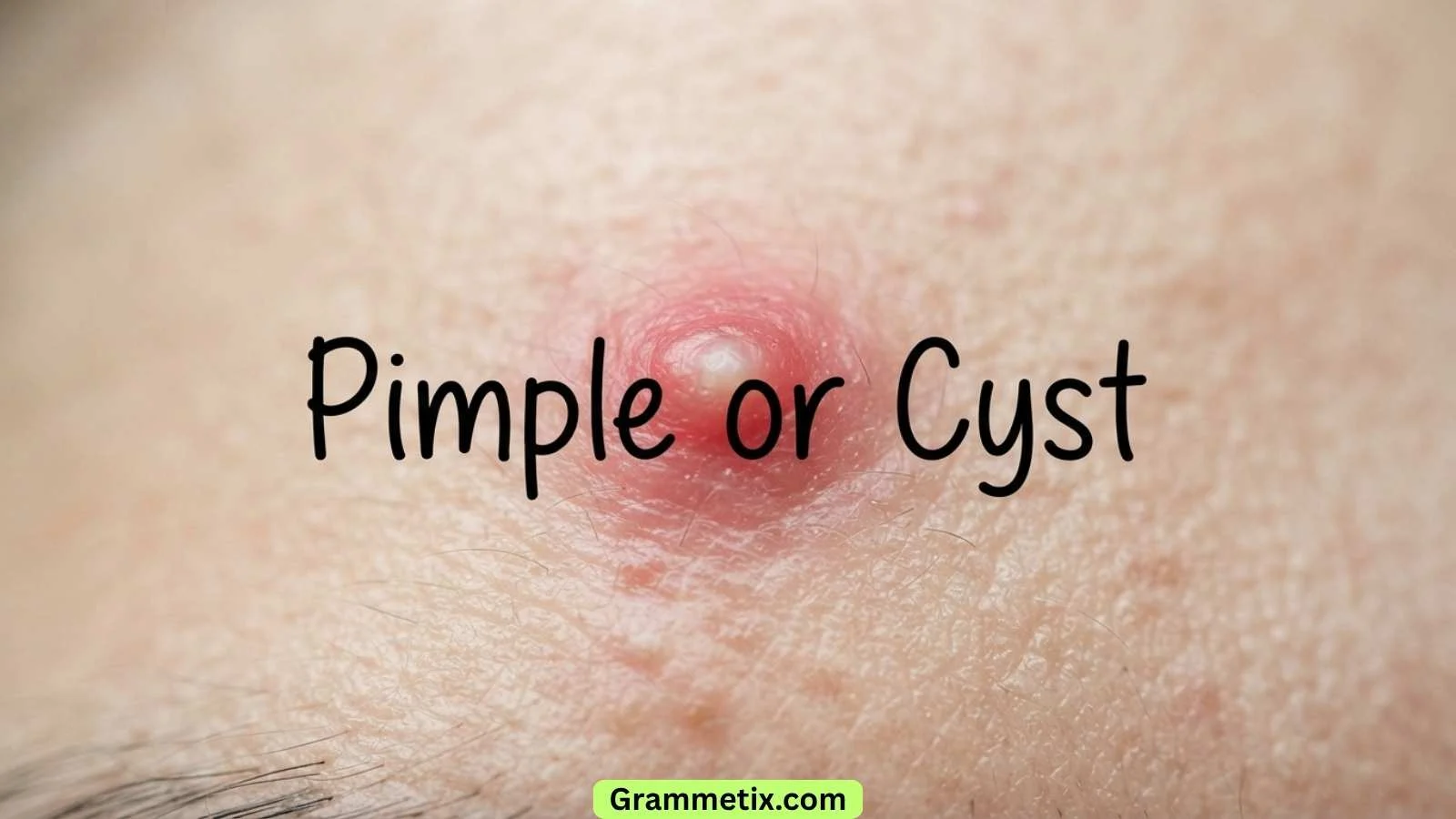
Pimple or cyst is a common question because both can look like skin bumps. At first glance, they may seem the same. However, they have different causes, symptoms, and treatments.
Knowing the difference can help you choose the right care and avoid making the problem worse.
Many people worry when they find a painful lump on their face, back, or other body parts. Is it just a pimple that will disappear, or could it be a cyst that needs medical treatment?
This guide explains everything in simple English. You will learn how to tell a pimple from a cyst, what causes each one, when to treat them at home, and when it is time to see a healthcare professional.
Pimple or Cyst? Quick Answer
A pimple is a small skin spot caused by a clogged pore. A cyst is a larger lump that forms deeper under the skin. Pimples often heal within days or weeks. Cysts usually last longer and may need medical treatment if they become painful, infected, or continue growing.
Key Difference Between a Pimple and a Cyst
Although both appear as bumps on the skin, they are not the same. A pimple forms near the surface of the skin, while a cyst develops much deeper.
Quick Differences
- Pimples are usually small and close to the skin’s surface.
- Cysts are deeper and often feel like a firm lump.
- Pimples heal faster than most cysts.
- Cysts may need treatment from a healthcare professional.
- Pimples are commonly linked to acne, while cysts have several possible causes.
Pimple vs Cyst Comparison Table
| Feature | Pimple | Cyst |
|---|---|---|
| Size | Usually small | Usually larger |
| Location | Near the skin surface | Deep under the skin |
| Pain | Mild to moderate | Often more painful |
| Main Cause | Clogged pore | Blocked gland, sac, or trapped cells |
| Healing Time | Days to weeks | Weeks, months, or longer |
| Needs Medical Care | Rarely | Sometimes |
What Is a Pimple?
A pimple is a small bump that develops when a pore becomes blocked with oil, dead skin cells, and bacteria. Pimples are one of the most common signs of acne. They often appear on the face, chest, shoulders, and back because these areas produce more natural skin oil.
Most pimples are harmless and improve with gentle skincare. They usually disappear without leaving lasting problems, although picking or squeezing them can cause scars.
What Causes Pimples?
Several things can lead to pimples.
- Too much natural skin oil
- Dead skin cells blocking pores
- Bacteria inside clogged pores
- Hormone changes during puberty or pregnancy
- Stress that may worsen acne
- Oily makeup or skincare products
These factors can work together and increase the chance of developing acne.
Common Symptoms of a Pimple
A pimple often has clear signs.
- Small red bump
- White or yellow centre
- Slight swelling
- Mild pain when touched
- May contain pus
- Usually appears suddenly
Many pimples improve within one or two weeks with proper care.
What Is a Cyst?
A cyst is a closed sac that forms beneath the skin. It may contain fluid, oil, keratin, or other material. Unlike a pimple, a cyst develops deeper under the skin and usually feels like a smooth, round lump.
Most skin cysts are not cancerous. Many stay small and painless. However, some become infected, swollen, or painful and may require medical treatment.
What Causes Cysts?
Cysts can develop for several reasons.
- Blocked oil glands
- Trapped skin cells
- Minor skin injuries
- Infections
- Family history
- Certain medical conditions
Unlike pimples, cysts are not always linked to acne.
Common Symptoms of a Cyst
A cyst often has different symptoms than a pimple.
- Round lump under the skin
- Slow growth over time
- Smooth surface
- Firm or slightly soft feel
- Pain if infected
- Redness and warmth when inflamed
Some cysts remain the same size for months or even years.
Pimple vs Cyst: Symptoms at a Glance
The table below makes it easier to compare common symptoms.
| Symptom | Pimple | Cyst |
|---|---|---|
| Redness | Common | Sometimes |
| White tip | Often | Rare |
| Deep lump | No | Yes |
| Pain | Mild | Moderate to severe if infected |
| Contains pus | Often | Sometimes |
| Lasts for months | Rare | Common |
A single symptom does not always give the answer. Looking at several signs together helps you make a better guess.
Is It a Pimple or Cyst? Quick Checklist
Use this simple checklist to compare your skin bump.
It is more likely a pimple if:
- It appeared within a day or two.
- It has a white or yellow head.
- It is small and close to the skin.
- It feels sore but not deeply painful.
- It starts healing within a week.
It is more likely a cyst if:
- It feels like a lump beneath the skin.
- It has been there for several weeks.
- It slowly becomes larger.
- It hurts when pressed.
- It has little or no white head.
Remember: This checklist is only a general guide. If a lump grows quickly, becomes very painful, or shows signs of infection, it should be checked by a healthcare professional.
What Does a Pimple Look Like?
A pimple is usually easy to recognise because it sits on the surface of the skin.
Common features include:
- A small red bump
- A white or yellow centre
- Mild swelling
- Skin around it may look pink or red
- Sometimes appears in groups with other pimples
Pimples commonly develop on the:
- Face
- Forehead
- Nose
- Chin
- Chest
- Upper back
- Shoulders
They often heal without treatment if you avoid squeezing or picking them.
What Does a Cyst Look Like?
A cyst usually looks different from a pimple. Instead of sitting on the skin’s surface, it forms deeper underneath. It often feels like a smooth, round lump that moves slightly when touched.
Most cysts grow slowly. They may stay small for a long time or gradually become larger. Some are painless, while others become sore if they are infected or inflamed.
Common Features of a Cyst
- Round or oval lump
- Under the skin
- Smooth surface
- Soft or firm to the touch
- May move slightly when pressed
- Can become red if infected
Where Do Cysts Usually Appear?
Skin cysts can develop almost anywhere, but they are most common on the:
- Face
- Neck
- Scalp
- Back
- Chest
- Shoulders
- Groin
A cyst does not always need treatment. However, if it becomes painful, grows quickly, or starts leaking fluid, you should have it checked by a healthcare professional.
Pimple vs Cyst vs Boil
Many people mistake a boil for a pimple or a cyst because all three can look like skin lumps. Knowing the differences can help you decide what type of care you may need.
Quick Comparison
| Feature | Pimple | Cyst | Boil |
|---|---|---|---|
| Main Cause | Clogged pore | Blocked gland or trapped cells | Bacterial infection |
| Location | Skin surface | Under the skin | Deep in the skin |
| Pain | Mild | Mild to severe | Often very painful |
| Contains | Oil and pus | Fluid, keratin, or oil | Pus |
| Redness | Common | Sometimes | Usually severe |
| Healing Time | Days to weeks | Weeks or months | One to three weeks |
| May Need a Doctor | Rarely | Sometimes | Often if severe |
What Is a Boil?
A boil is a painful skin infection that starts in a hair follicle or oil gland. As the infection grows, it fills with pus and becomes swollen.
Boils are usually:
- Red
- Warm to the touch
- Painful
- Larger than most pimples
- Filled with pus
Unlike ordinary pimples, boils are caused by bacteria and may require medical treatment if they become very large or do not improve.
How to Tell the Difference
A pimple is usually small and appears quickly.
A cyst feels like a lump under the skin and grows slowly.
A boil is often red, hot, painful, and filled with pus because of an infection.
Is It a Cyst or Cystic Acne?
This is one of the most common questions people ask.
Although the names sound similar, a skin cyst and cystic acne are not the same thing.
What Is Cystic Acne?
Cystic acne is the most severe form of acne. It happens when clogged pores become deeply inflamed and infected.
Instead of forming small pimples, cystic acne creates large, painful bumps beneath the skin.
These bumps may:
- Hurt when touched
- Stay for weeks
- Leave scars
- Appear in groups
Cystic acne often affects teenagers, but adults can develop it too.
How Is It Different From a Skin Cyst?
A skin cyst forms because of a blocked gland, trapped skin cells, or another non-acne cause.
Cystic acne develops from acne deep inside the skin.
Cyst vs Cystic Acne
| Feature | Skin Cyst | Cystic Acne |
|---|---|---|
| Related to acne | Usually no | Yes |
| Appears alone | Often | Usually several bumps |
| Pain | Sometimes | Often painful |
| Scarring | Less common | More common |
| Treatment | May need removal | Acne treatment |
If you have several painful lumps that keep returning, cystic acne is more likely than a single skin cyst.
What Causes Pimples and Cysts?
Although pimples and cysts both appear as skin lumps, they develop for different reasons.
Common Causes of Pimples
Pimples form when pores become blocked.
The blockage usually contains:
- Extra skin oil
- Dead skin cells
- Bacteria
- Dirt trapped in the pore
Hormone changes can also increase oil production. This is why acne often becomes worse during puberty.
Other factors that may make pimples worse include:
- Stress
- Oily cosmetics
- Sweating
- Touching your face often
These factors do not always cause acne on their own, but they may increase flare-ups.
Common Causes of Cysts
Cysts have several possible causes.
These include:
- Blocked oil glands
- Trapped skin cells
- Skin injuries
- Long-term inflammation
- Family history
- Certain genetic conditions
Unlike pimples, cysts are not always caused by bacteria.
Risk Factors
Some people have a higher chance of developing pimples or cysts.
You may be more likely to get pimples if you:
- Have oily skin
- Are going through puberty
- Have hormone changes
- Have a family history of acne
- Use pore-clogging skincare products
You may be more likely to get cysts if you:
- Have had skin injuries
- Have a family history of cysts
- Have certain skin conditions
- Have blocked glands
Knowing these risk factors can help you take better care of your skin.
Can a Pimple Turn Into a Cyst?
Many people believe that every large pimple eventually becomes a cyst. This is a common myth.
In most cases, a normal pimple does not turn into a true skin cyst.
However, there is an important exception.
A small pimple can become more inflamed and develop into cystic acne. This creates a deep, painful acne lump beneath the skin.
That acne cyst is different from an epidermoid cyst or another type of skin cyst.
Normal Pimple
- Starts near the skin surface
- Usually heals within days
- Rarely leaves a large lump
Cystic Acne
- Starts deep inside the skin
- Very painful
- May leave scars
- Often needs prescription treatment
Skin Cyst
- Forms from blocked glands or trapped skin cells
- Not usually caused by acne
- May remain for months or years
If a painful lump does not improve after several weeks, it is best to have it examined by a healthcare professional rather than trying to squeeze it.
How Doctors Diagnose a Pimple or Cyst
Most healthcare professionals can tell the difference by examining the skin.
They usually check:
- The size of the lump
- Its location
- How deep it feels
- Whether it is painful
- Signs of infection
In many cases, no tests are needed.
If the lump is unusual or keeps growing, the doctor may recommend additional tests.
These can include:
- An ultrasound to see beneath the skin
- A small tissue sample (biopsy) in rare cases
- A laboratory test if an infection is suspected
Getting the correct diagnosis helps you receive the right treatment and avoid unnecessary procedures.
Treatment for Pimples
Most pimples can be treated at home with good skincare habits. They often improve within a few days or weeks without leaving permanent marks.
The key is to keep your skin clean and avoid irritating the affected area.
Home Treatments for Pimples
If you have a mild pimple, these simple steps may help.
- Wash your face twice a day with a gentle cleanser.
- Use oil-free, non-comedogenic skincare products.
- Apply a product containing benzoyl peroxide or salicylic acid.
- Keep your hands away from your face.
- Remove makeup before going to bed.
- Use a light, oil-free moisturiser.
These treatments can reduce oil, unclog pores, and help pimples heal faster.
Medical Treatments for Pimples
If pimples are severe or keep coming back, a healthcare professional may recommend stronger treatments.
These may include:
- Prescription acne creams
- Retinoid gels or creams
- Antibiotics for bacterial acne
- Hormonal treatments for some adults
- Oral acne medicines for severe cases
Always follow your healthcare professional’s advice when using prescription medicines.
Treatment for Cysts
Not every cyst needs treatment. Small, painless cysts can often be left alone if they do not cause problems.
However, treatment may be needed if the cyst becomes painful, infected, or continues growing.
Home Care for a Cyst
You can care for many small cysts at home by:
- Applying a warm compress for 10–15 minutes several times a day
- Keeping the area clean
- Avoiding pressure on the lump
- Watching for signs of infection
A warm compress may help reduce discomfort, but it usually does not remove the cyst.
Medical Treatment for Cysts
If a cyst causes ongoing problems, a healthcare professional may recommend:
Drainage
The cyst is carefully opened so the fluid can drain.
Steroid Injection
Medicine is injected into the cyst to reduce swelling and inflammation.
Antibiotics
These are used only if the cyst becomes infected.
Minor Surgery
Some cysts are removed completely through a small surgical procedure. Removing the cyst wall lowers the chance of it returning.
Never try to cut open or drain a cyst yourself. Doing so can increase the risk of infection and scarring.
What You Should Never Do
When you notice a skin lump, it is tempting to squeeze or pop it. However, this often makes the problem worse.
Whether you have a pimple or a cyst, avoid these common mistakes.
Don’t Pop It
Popping can push bacteria deeper into the skin.
This may lead to:
- More swelling
- Infection
- Longer healing time
- Permanent scars
Don’t Use Needles or Sharp Objects
Trying to drain a cyst at home can damage the skin and introduce bacteria.
A healthcare professional uses clean equipment and safe techniques if drainage is necessary.
Don’t Pick at the Skin
Picking removes the skin’s natural protection.
This increases the chance of:
- Bleeding
- Infection
- Dark marks
- Scarring
Don’t Use Harsh Home Remedies
Some home remedies found online may irritate your skin instead of helping it.
Avoid putting products such as:
- Toothpaste
- Bleach
- Strong alcohol
- Undiluted essential oils
These products are not proven treatments and may cause burns or irritation.
Recovery Timeline: How Long Does Healing Take?
Healing depends on the type of skin problem and how severe it is.
Recovery Comparison
| Condition | Typical Healing Time |
|---|---|
| Small pimple | 3–7 days |
| Inflamed pimple | 1–2 weeks |
| Cystic acne | Several weeks |
| Small skin cyst | Weeks to months |
| Removed cyst | Usually 2–4 weeks after surgery |
Some cysts remain the same size for years if they are not removed.
When Should You See a Doctor?
Many pimples heal without medical care. Some cysts also remain harmless for years.
However, certain symptoms should not be ignored.
See a Healthcare Professional If:
- The lump keeps growing.
- The pain becomes severe.
- The area becomes very red or warm.
- Pus continues to drain.
- You develop a fever.
- The lump returns again and again.
- The lump affects your eyes or nearby areas.
- The skin changes colour quickly.
- The lump does not improve after several weeks.
Early treatment can prevent complications and reduce the chance of scarring.
Can You Prevent Pimples and Cysts?
You cannot prevent every pimple or cyst, but healthy skin habits can lower your risk.
Tips to Help Prevent Pimples
Follow these simple steps every day.
- Wash your face morning and night.
- Use gentle, fragrance-free cleansers.
- Choose non-comedogenic skincare products.
- Remove makeup before sleeping.
- Avoid touching your face often.
- Wash pillowcases regularly.
- Shower after heavy sweating.
These habits help reduce oil, bacteria, and clogged pores.
Tips to Help Lower the Risk of Cysts
Although cysts cannot always be prevented, these tips may help.
- Keep your skin clean.
- Treat cuts and skin injuries quickly.
- Avoid squeezing skin lumps.
- Wear clean clothing after exercise.
- Protect your skin from repeated irritation.
Some cysts develop because of family history, so prevention is not always possible.
Common Myths About Pimples and Cysts
Many people believe things about pimples and cysts that are not true. Understanding the facts can help you make better choices.
1: Every Skin Lump Is a Pimple
Fact: Many skin lumps are not pimples. They could be cysts, boils, lipomas, or other skin conditions.
2: Toothpaste Gets Rid of Pimples
Fact: Toothpaste is not designed for the skin. It may cause dryness, irritation, or even burns.
3: All Cysts Are Dangerous
Fact: Most skin cysts are harmless. Many never become serious or need treatment.
4: Popping Helps It Heal Faster
Fact: Squeezing often makes healing slower and increases the risk of infection and scarring.
5: Dirty Skin Causes All Acne
Fact: Acne is mainly caused by clogged pores, excess oil, bacteria, and hormones. Washing too often can actually irritate the skin.
6: Cysts Always Need Surgery
Fact: Many cysts can simply be monitored. Surgery is usually recommended only if the cyst is painful, infected, growing, or bothersome.
Pimple or Cyst: Which Is More Serious?
In general, a cyst is more likely to need medical attention than a simple pimple, but that does not mean every cyst is dangerous.
Most pimples heal on their own with basic skincare.
Most skin cysts are also harmless. However, they may require treatment if they:
- Become infected
- Grow larger
- Cause pain
- Burst repeatedly
- Interfere with daily activities
A painful, rapidly growing lump should always be checked by a healthcare professional.
If you are unsure whether you have a pimple or a cyst, avoid squeezing it. Getting the correct diagnosis is the safest way to protect your skin and prevent unnecessary complications.
Country & Medical Term Usage
Unlike some words that have different British and American spellings, “pimple” and “cyst” are the same in English-speaking countries. Healthcare professionals in the UK, the US, Canada, Australia, and New Zealand all use these terms.
However, people may use different everyday words depending on where they live.
| Country | Common Medical Term | Everyday Terms |
|---|---|---|
| United States | Pimple, Cyst | Zit, Acne, Lump |
| United Kingdom | Pimple, Cyst | Spot, Acne, Lump |
| Canada | Pimple, Cyst | Pimple, Spot |
| Australia | Pimple, Cyst | Pimple, Spot |
| New Zealand | Pimple, Cyst | Pimple, Spot |
Everyday Language Around the World
- Spot is a common word for a pimple in the UK.
- Zit is often used in the United States, especially in casual conversation.
- Acne refers to the skin condition that causes many pimples.
- Cyst has the same meaning in both everyday and medical language.
Knowing these terms can help you understand health articles from different countries.
Related Health Topics
If you found this guide helpful, you may also want to learn about these related skin conditions:
- Cystic Acne – Learn why deep acne forms and how it is treated.
- Blackheads – Find out why pores become blocked.
- Whiteheads – Understand another common type of acne.
- Boils – Discover how boils differ from pimples and cysts.
- Sebaceous Cysts – Learn about one of the most common skin cysts.
- Skin Abscesses – Know the signs of a serious skin infection.
- Acne Treatments – Explore home remedies and medical treatment options.
These topics can help you better understand your skin and choose the right care.
FAQs
1. How do I know if I have a pimple or a cyst?
A pimple usually appears quickly and sits on the skin’s surface. A cyst grows deeper under the skin, often feels like a round lump, and may remain for weeks or months.
2. Can a cyst go away without treatment?
Yes. Some small skin cysts stay the same size or disappear over time without treatment. However, if a cyst becomes painful, infected, or continues to grow, you should see a healthcare professional.
3. Is a cyst more painful than a pimple?
In many cases, yes. A small pimple may feel tender, but a cyst is often deeper and can become much more painful, especially if it becomes infected.
4. Should I squeeze a cyst or a pimple?
No. Squeezing either one can increase swelling, cause infection, and leave permanent scars. It is better to let a pimple heal naturally and have a troublesome cyst checked by a healthcare professional.
5. Can a hard pimple actually be a cyst?
Sometimes. A deep, hard lump under the skin may be a cyst instead of a pimple. If it lasts for several weeks or keeps growing, it should be examined by a healthcare professional.
6. Is cystic acne the same as a skin cyst?
No. Cystic acne is a severe type of acne caused by inflamed, clogged pores. A skin cyst is usually a separate condition caused by blocked glands or trapped skin cells.
7. When should I worry about a skin lump?
Seek medical advice if the lump grows quickly, becomes very painful, leaks pus, causes a fever, or does not improve after several weeks. A healthcare professional can determine the cause and recommend the right treatment.
Conclusion
At first, a pimple and a cyst can look very similar. However, they are different skin conditions with different causes and treatments. A pimple is usually a small, surface-level spot that heals within days or weeks. A cyst forms deeper under the skin, grows more slowly, and may need medical care if it becomes painful or infected.
If you are unsure whether you have a pimple or a cyst, avoid squeezing or picking at the lump. Instead, watch for changes such as increased size, redness, or pain.
When in doubt, a healthcare professional can provide an accurate diagnosis and recommend the safest treatment. Knowing the difference helps you care for your skin with confidence.
Medical Disclaimer
This article is for educational purposes only and should not replace professional medical advice, diagnosis, or treatment. Every skin condition is different, and symptoms can vary from person to person. If you have a painful, rapidly growing, or persistent lump, or if you are concerned about your skin, consult a qualified healthcare professional for an accurate evaluation and personalised care.